Thank you for writing to us. One of our executive will reach back to you through your submitted medium. In case there’s an urgency, feel free to connect over WhatsApp for faster response.
Prefer calling? Dial +918048034439 (International callers) or 08048034439 (Indian callers).
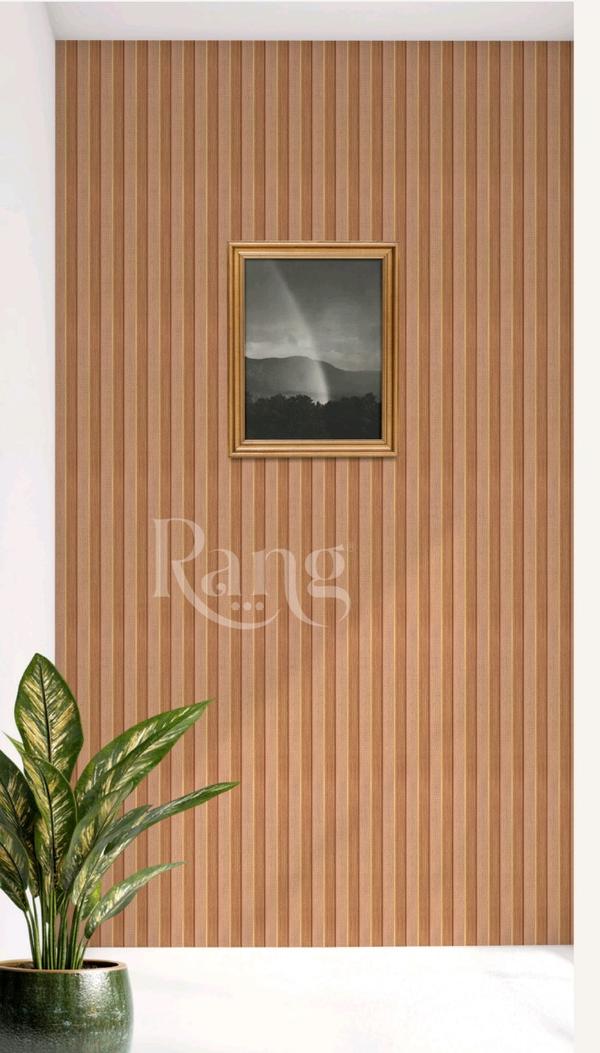
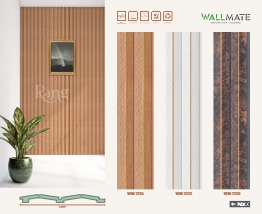
Enhance your interiors with premium Rang Wallmate Louvers at Shree Shyam Decorrs—where style meets functionality. Designed to add depth, texture, and elegance to any space, Rang Wallmate Louvers are the perfect choice for modern homes, offices, and commercial interiors.
Crafted with high-quality materials, these louvers are not only visually appealing but also durable and easy to maintain. Whether you want to create a stunning feature wall in your living room, upgrade your office reception, or add a sophisticated touch to your bedroom, Rang Wallmate Louvers offer versatile design solutions to match every aesthetic.
At Shree Shyam Decorrs, you’ll find a wide range of colors, finishes, and patterns to suit your décor preferences. The expert team ensures seamless installation and personalized service, helping you transform your space effortlessly.
Choose Rang Wallmate Louvers at Shree Shyam Decorrs to bring a contemporary and luxurious feel to your interiors. Give your walls a makeover that truly stands out!
Charcoal louvers are an increasingly popular architectural and interior design feature that combine functionality, aesthetics, and modern material innovation. They are essentially slatted structures—typically arranged in parallel lines—that are finished or coated in a charcoal color tone, often a deep gray or near-black shade. These louvers can be installed on building exteriors, windows, facades, ceilings, partitions, or even as decorative interior elements. Their growing use in both residential and commercial spaces reflects a broader shift toward minimalist design, energy efficiency, and climate-responsive architecture.
At their core, louvers are designed to regulate airflow, light, and privacy. The addition of a charcoal finish elevates their visual appeal, giving them a sleek, contemporary look that complements a wide range of architectural styles—from ultra-modern homes to industrial office spaces. The charcoal tone is particularly valued because it provides a neutral yet bold appearance, allowing it to blend seamlessly with other materials like glass, concrete, wood, and metal.
One of the primary functions of charcoal louvers is ventilation. In hot climates, such as many parts of India, maintaining airflow within buildings is essential for comfort and energy efficiency. Louvers allow air to pass through while still offering protection from direct sunlight and rain. When installed on windows or facades, they enable natural ventilation, reducing the need for air conditioning and lowering energy consumption. This makes them an eco-friendly design solution that aligns with sustainable building practices.
In addition to ventilation, charcoal louvers play a significant role in controlling sunlight. Direct sunlight can cause interiors to overheat and lead to glare, which can be uncomfortable and even damaging to furniture and flooring over time. Louvers are designed at specific angles to block harsh sunlight while still allowing diffused natural light to enter. The charcoal color enhances this function by absorbing more light compared to lighter shades, helping to reduce glare and create a more comfortable indoor environment.
Privacy is another important advantage of charcoal louvers. In densely populated urban areas, maintaining privacy without sacrificing light and ventilation can be challenging. Louvers provide an effective solution by allowing occupants to see out while limiting visibility from the outside. This makes them ideal for residential buildings, office spaces, and even commercial establishments where discretion is important.
From a design perspective, charcoal louvers are highly versatile. They can be used horizontally or vertically, depending on the desired aesthetic and functional outcome. Horizontal louvers are often used for shading and are commonly seen on building facades, while vertical louvers are typically used for privacy screens or decorative partitions. The spacing, thickness, and angle of the slats can be customized to achieve different effects, making them a flexible design element for architects and designers.
The materials used for charcoal louvers vary widely, each offering its own set of benefits. Aluminum is one of the most common materials due to its lightweight nature, durability, and resistance to corrosion. Aluminum louvers are often powder-coated in charcoal finishes, ensuring long-lasting color and minimal maintenance. Wood is another popular option, particularly for interior applications. Charcoal-stained wood louvers add warmth and texture to a space while maintaining a modern aesthetic. Other materials include PVC, steel, and composite materials, each chosen based on specific project requirements.
Durability is a key consideration when selecting charcoal louvers, especially for exterior applications. Exposure to weather conditions such as rain, heat, and pollution can affect the longevity of materials. High-quality charcoal louvers are designed to withstand these elements, with finishes that resist fading, peeling, and corrosion. Powder coating, anodizing, and specialized paints are commonly used to enhance durability and maintain the louvers’ appearance over time.
Maintenance of charcoal louvers is generally straightforward, which adds to their appeal. Regular cleaning with water and mild detergent is usually sufficient to keep them looking new. For metal louvers, occasional inspection for scratches or damage is recommended, as exposed metal can be susceptible to corrosion if not treated promptly. Wooden louvers may require periodic re-staining or sealing to preserve their finish and protect against moisture.
Another important aspect of charcoal louvers is their contribution to energy efficiency. By reducing heat gain and improving natural ventilation, they help lower the reliance on artificial cooling systems. This not only reduces energy bills but also minimizes the building’s carbon footprint. In green building design, louvers are often incorporated as part of passive cooling strategies, making them an integral component of sustainable architecture.
Charcoal louvers also offer acoustic benefits in certain applications. While they are not primarily designed for soundproofing, they can help reduce noise levels by acting as a barrier and diffusing sound waves. This makes them useful in urban environments where external noise can be a concern. When combined with other acoustic materials, they can contribute to a quieter and more comfortable indoor environment.
In commercial settings, charcoal louvers are frequently used in office buildings, malls, and hotels. They serve both functional and decorative purposes, enhancing the building’s facade while improving comfort for occupants. In offices, they can be used as partitions to create semi-private workspaces without completely enclosing the area. In retail spaces, they add a modern, sophisticated touch that aligns with contemporary branding.
In residential architecture, charcoal louvers are commonly used for balconies, windows, and exterior facades. They provide shade and privacy while enhancing the home’s overall aesthetic. Interior applications include feature walls, room dividers, and ceiling designs. The charcoal color adds depth and contrast, making these elements stand out without being overly bold or intrusive.
Customization is one of the strongest advantages of charcoal louvers. Architects and designers can tailor every aspect—from material and finish to size, spacing, and orientation—to suit the specific needs of a project. This level of flexibility allows for creative expression while ensuring that functional requirements are met. Whether the goal is to create a striking visual statement or to optimize environmental performance, charcoal louvers can be adapted accordingly.
Technological advancements have further expanded the possibilities for charcoal louvers. Motorized and adjustable louvers are becoming increasingly popular, allowing users to control the angle of the slats for optimal light and airflow. These systems can be integrated with smart home technology, enabling automated adjustments based on weather conditions or user preferences. This adds a layer of convenience and efficiency that enhances the overall user experience.
The aesthetic appeal of charcoal louvers cannot be overstated. The charcoal color exudes sophistication, modernity, and understated elegance. It works well with a variety of color palettes and materials, making it a versatile choice for different design styles. Whether used in a minimalist setting or as a contrast in a more traditional design, charcoal louvers add a sense of depth and refinement.
Despite their many advantages, there are some considerations to keep in mind when using charcoal louvers. The dark color can absorb heat, which may not be ideal in certain climates or applications. Proper design and placement are essential to ensure that this does not lead to excessive heat buildup. Additionally, the initial cost of high-quality louvers can be higher than other shading or partition solutions, although this is often offset by their durability and long-term benefits.
Installation of charcoal louvers requires careful planning and precision. Factors such as orientation, spacing, and angle must be considered to achieve the desired performance and appearance. Professional installation is recommended to ensure that the louvers are securely mounted and properly aligned. This is particularly important for exterior applications, where structural integrity and resistance to environmental forces are critical.
In conclusion, charcoal louvers are a versatile and practical design solution that offers a wide range of benefits. They enhance ventilation, control sunlight, provide privacy, and contribute to energy efficiency, all while adding a modern and sophisticated aesthetic to a space. Their adaptability in terms of materials, design, and application makes them suitable for a variety of settings, from residential homes to commercial buildings. As architecture continues to evolve toward sustainability and innovation, charcoal louvers are likely to remain a key element in contemporary design, offering both functional performance and visual appeal.
 Chat with us
 Chat with us